Pages

June 13, 2015

Britain's National Bird FINALLY Selected, and He's a Bully

your country needs you
(Photo : David Lindo / Urban Birder) Cick HERE to visit The Urban Birder and see results!

Earlier this year, citizens of the United Kingdom were given the unique opportunity to vote on which of 10 feathered friends would finally become their national bird - a position once unofficially held by the meanest and nastiest songbird you've ever lay eyes on. Now, after a little over two months of deliberation and tallying votes, the results are in.

The bully, it seems, keeps the crown after all. As Nature World News (NWN) previously reported, the red-breasted Robin has been Britain's unofficial mascot for half a century, but the United Kingdom as a whole remained lacking a national bird.

That's why this British election season ornithologist David Lindo, who calls himself the "Urban Birder," decided to host his own election, the result of which was promised support by the United Kingdom's Royal Society of Bird Protection (RSBP) and newly appointed environment minister.

Lindo recently admitted to British news outlet The Guardian that he was hoping for a different result, largely because the robin is an infamously territorial bird, mauling and sometimes even murdering its brethren in a bid for the best grub and singing grounds.

"That sweet song fluting from your fence is actually the avian equivalent of a foul-mouthed 'get orf my land'," columnist and cultural historian Philip Hoare recently wrote. "Males will peck at rivals' napes to sever their spinal cords; 10% of all adult robin deaths are robin-on-robin, red-on-red incidents." (Scroll to read on...)

An unsuspecting greenfinch (bottom-center) is in trouble, with a robin bearing down in all its feathery fury.
(Photo : Flickr: Mark Freeth) An unsuspecting greenfinch (bottom-center) is in trouble, with a robin bearing down in all its feathery fury.

Lindo had announced in the past that he was personally hoping that the "handsome" native blackbird would come out on top, amidst an short-list of 10 memorable birds, but "Britain has spoken," he wrote, and he has no regrets.

The blackbird, in fact, took third place - second only to the stunningly white barn owl of the English countryside. The robin, defending it's unofficial crown as fiercely as it does its territory, managed to claim 34 percent of more than 224,000 digital ballots cast. For comparison, the barn owl and blackbird claimed only 12 and 11 percent, respectively.

Still, it's impossible to keep everyone happy when selecting the avian symbol of a nation. The ever-respected Benjamin Franklin was famously opposed to having the eagle as the United States' national symbol in 1782.

"For my own part I wish the Bald Eagle had not been chosen the Representative of our Country. He is a Bird of bad moral Character. He does not get his Living honestly," Franklin reportedly wrote to his daughter soon after the decision was made, according to the Smithsonian and Franklin institutes.

The founding father goes on to describe how he observed the bald eagle be a thief and a "rank coward," stealing food from other hardworking birds and then fleeing small-but-aggressive kingbirds.

"He is therefore by no means a proper emblem for the brave and honest Cincinnati of America who have driven all the King birds from our country..." he concluded, referencing the Revolutionary War. (Scroll to read on...)

Really now, America, does that face look trustworthy to you?
(Photo : pixabay) Really now, America, does that face look trustworthy to you?

However, this reporter, for one, still sees the eagle as more fitting than say, a turkey. It is commonly believed that Franklyn actually proposed the turkey as the United State's national symbol. This is not true, but he does go on in the same letter to gripe that the original national seal looked like a gobbler - something still better than the bald eagle, he wrote.

"He is besides, though a little vain & silly, a Bird of Courage, and would not hesitate to attack a Grenadier of the British Guards who should presume to invade his Farm Yard with a red Coat on."

Stunningly, the cowardly eagle and the brutish robin are only among a list about 100 official and unofficial national birds. The trend has still not caught on in many well-known countries, with nations like China and Australia still lacking a nationally accepted symbol.

Canada, on the other hand, seems to share Lindo's sentiments, with The Royal Canadian Geographical Society and Canadian Geographic having announced a vote for their own national bird, the winner of which will be decided in 2017.

For more great nature science stories and general news, please visit our sister site, Headlines and Global News (HNGN).

 - follow Brian on Twitter @BS_ButNoBS

post from sitemap

June 12, 2015

Tiger Sharks Behave like Birds?

tiger shark
(Photo : Nick Filmalter/Danah Divers)

Well, not quite. But new remarkable research has shown that in the longest ever tiger tracking study, these predators boast migration patterns more similar to birds, turtles and some marine mammals than other fishes.

Tiger sharks are among the largest and most recognizable sharks on the planet, and yet many of their habits remain a mystery because they are long-distance travelers whose movements are difficult to track.

They were long believed to be a coastal species; however, after following several tiger shark for more than two years with satellite tags, a team from Nova Southeastern University (NSU) have shown otherwise. The studied sharks traveled more than 7,500 kilometers (4,660 miles, round-trip) every year between two vastly different ecosystems - the coral reefs of the Caribbean and the open waters of the mid-North Atlantic. Furthermore, they returned consistently to the same overwintering areas each year, a discovery that could help with conservation efforts.

This study, published in the journal Scientific Reports, has yielded the first ever continuous tracking of these normally elusive creatures.

"As apex predators, the presence of tiger sharks - and other large sharks - is vital to maintain the proper health and balance of our oceans," Dr. Mahmood Shivji of NSU, who helped lead the study, said in a statement. "That's why it's so important to conserve them, and understanding their migratory behavior is essential to achieving this goal."

During the study, the NSU team successfully tagged and tracked tiger sharks near Bermuda, following their every move.

One tiger shark even swam more than 44,000 kilometers (27,000 miles) - that's the longest track distance ever documented for a tiger shark.

More importantly, researchers found that during their annual migrations, male sharks in the Atlantic repeatedly spent their winters in Caribbean island locales, whereas during summers they would travel far north, even reaching Connecticut. These migrations curiously more resemble those of birds, which are known for traveling hundreds of miles annually.

Furthermore, while researchers expected the sharks to hang by the coast, instead they were seen swimming way offshore in nearly the middle of the ocean.

"These repeated journeys were very unexpected," said lead researcher James Lea. "The tiger shark has traditionally been considered a coastal species, and it is rare among sharks to so easily and habitually switch between the two vastly different environments."

What's more curious is that the sharks followed the same pattern each year and returned to nearly the same spot every time.

"Even though they've got a whole range of islands to choose from, it seems like each animal has its favorite winter spot," said Shivji.

The reason why tiger sharks have a favorite spot remains to be seen. But researchers speculate that it's because female tiger sharks frequent the Caribbean come wintertime - easy pickings to find a mate for males.

These migration patterns are unique for tiger sharks, and have only otherwise been seen in the Pacific Ocean's great white and salmon sharks. And given that this species is nearing threatened status - partly due to the shark fin soup trade - NSU researchers hope their findings can lead to better protections for tiger sharks.

"Understanding how these animals use the oceans is the first step toward effective conservation," explained Guy Harvey, one of the researchers. "Protecting migratory species is a great challenge because they can be found in such a wide area. Protecting the areas where animals, such as tiger sharks, spend the most time is a tractable goal once those areas have been identified."

For more great nature science stories and general news, please visit our sister site, Headlines and Global News (HNGN).

post from sitemap

Top 15 in India's Fish

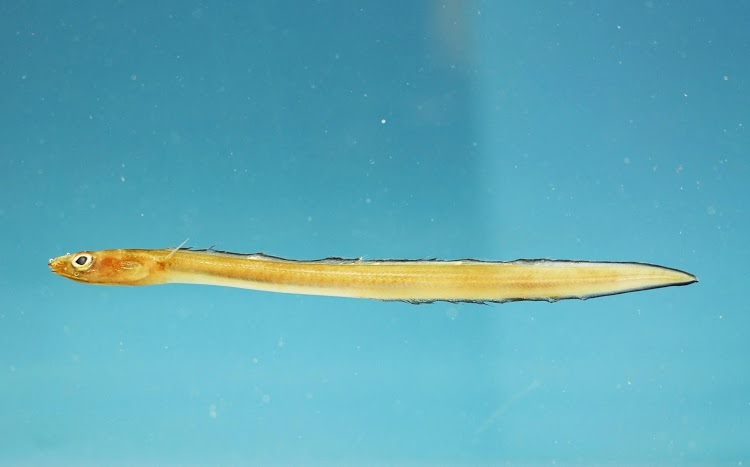
No. 1 Ariosoma Selenops

Arisoma Selenops is a very beautiful fish and delicious. If found in India generally, but rarely find. Knew has gained popularity for all. People from all walks like to eat them.


Ariosoma Selenops

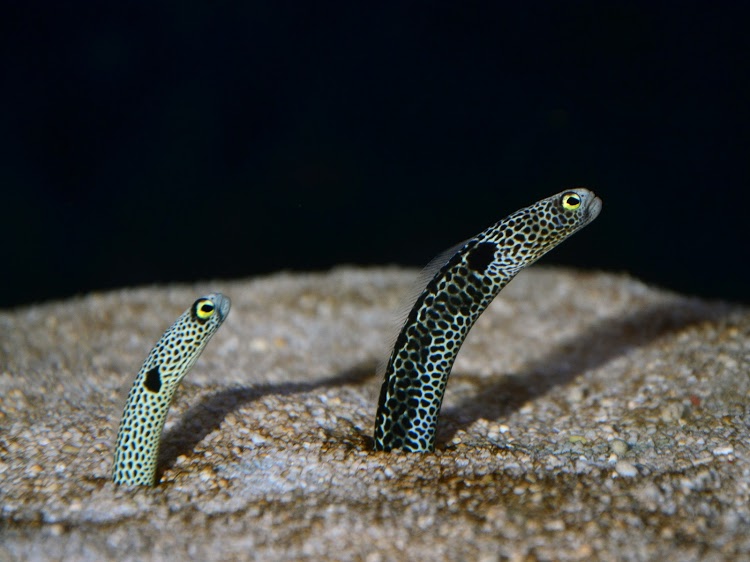
No. 2 Garden spotted eel

Spotted garden eel is a type of fish that is a snake How to View. In geral, are popular in India. Everybody like this the fish As this type of fish is available in India. Usually it horn ash and Beautiful. It is also delicious.


Spotted Garden Eel

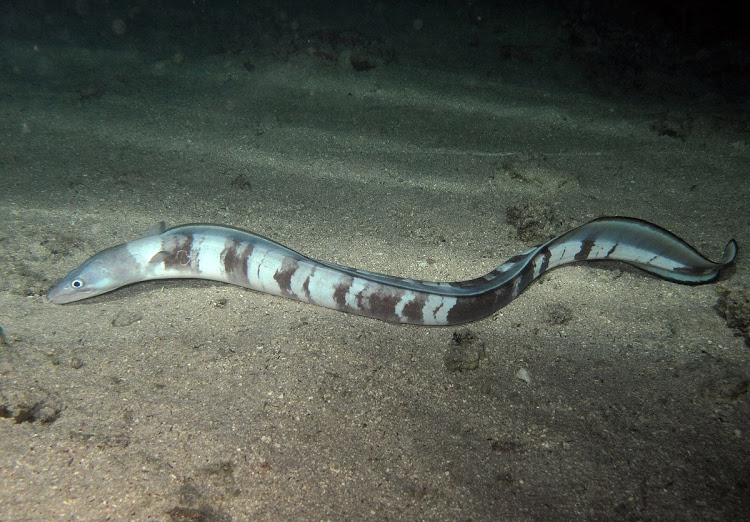
No. 3 Conger cinereus

Conger cinereus and wonderful fish are not nutritious. If located in the Sea of ​​India. As the people, is self That meets his Asked the Nutrition. Usually eats so março scenario bass


Conger Cinereus

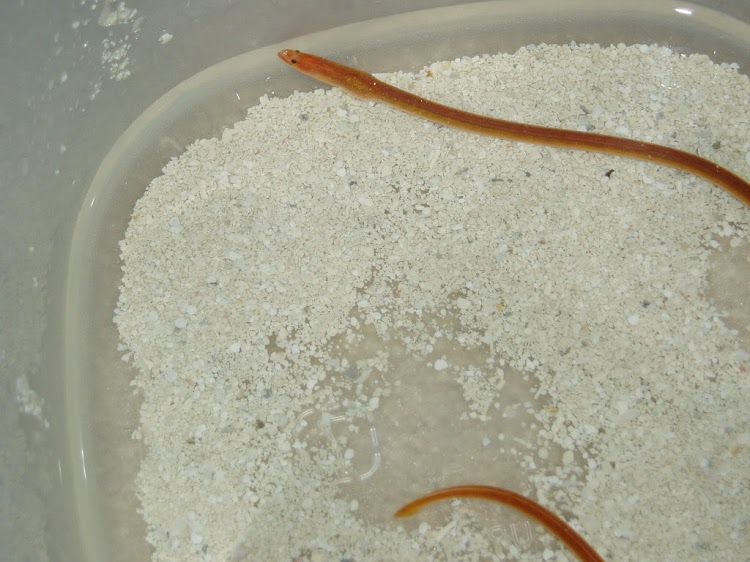
No. 4 javanica Moringua

Moringua javanica is more particularly in the Indian fish. Isa nutritious. Not as Finding of Rare. THIS available. People think his birthday Asked That, Knew entirety. It has a high popularity in India.


Moringua Javanica

No. 5 Moreia

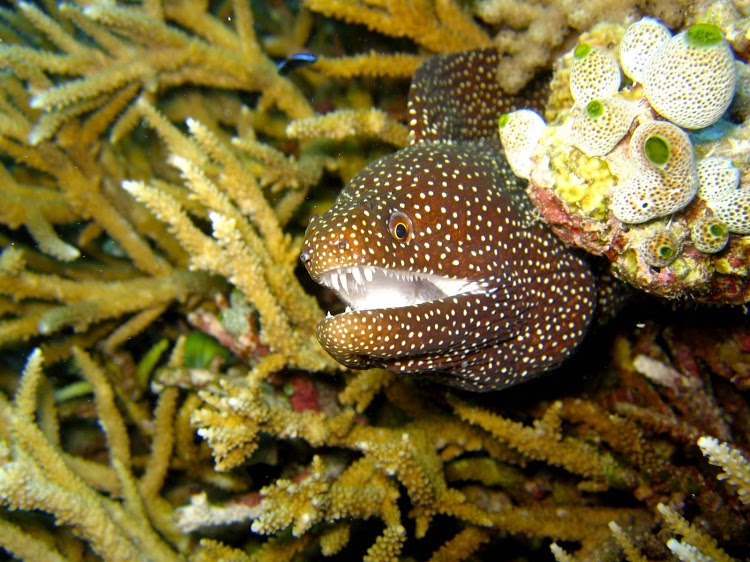
Moray eel is the most beautiful fish What is in India. It is a great source of nutrition. Like most people, não Knew the only nutrition, but also for his generosity. It's delicious.


  Moray Eel

No. 6 Nemichthys scolopaceus

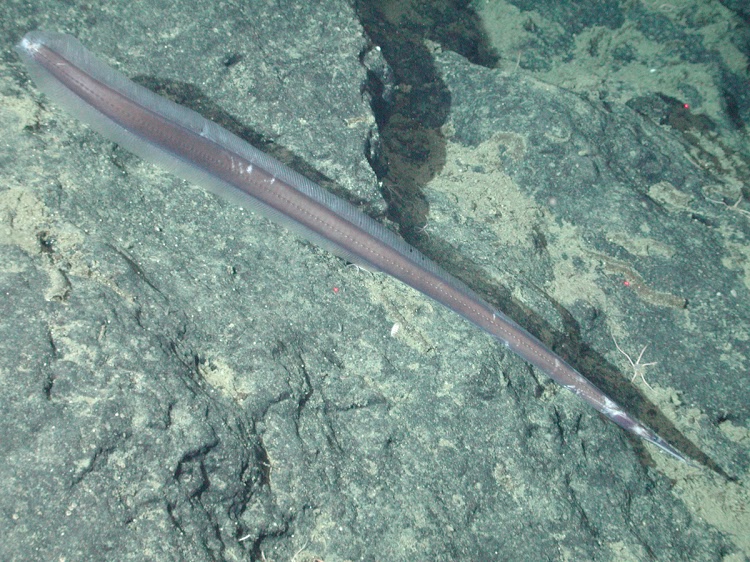
Scolopaceus Nemichthys IS A quirky Some people fish and fish não not think of really. It is of funds in India. People like to eat. It is a nutritious food. Are popular on the other side of India.


Nemichthys Scolopaceus

No. 7 Venefica tentaculata

Venefica tentaculata fish are not high and has a high tail. Delgado is lovely to watch. As the people to eat. If found in India generally. This is very strange fish.


Venefica Tentaculata

No. 8 Myrichthys maculosus

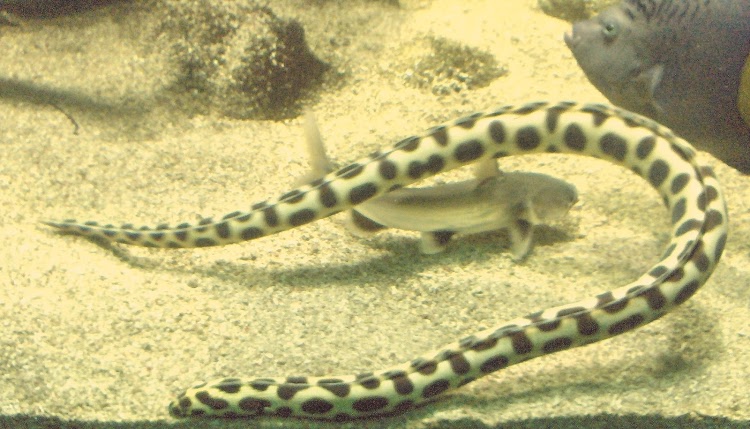
Myrichthys maculosus fish is not very nice. It's a little like a snake to watch. It's delicious and nutritious. The most the people this fish Como. Usually the live frame background


Myrichthys Maculosus


No. 9 Melanotaenia boesemani

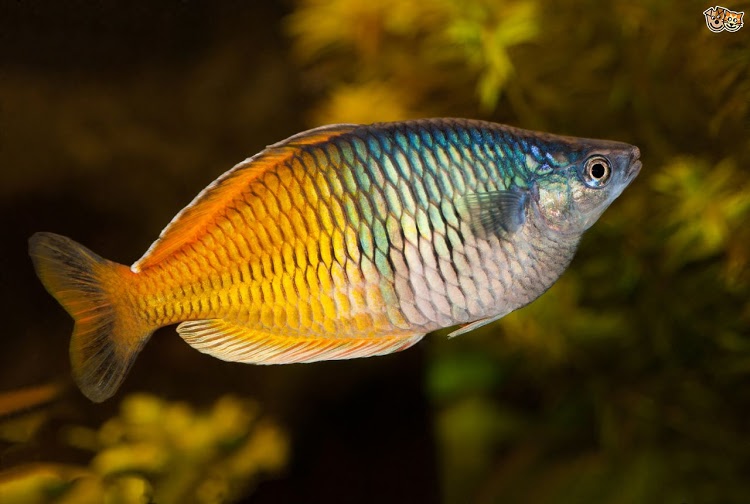
Melanotaeia is a small fish. It is very delicious. It is always beautiful and group living. Are the people love it so much that is nutritious. It is a red-colored silver fish.


Melanotaenia Boesemani

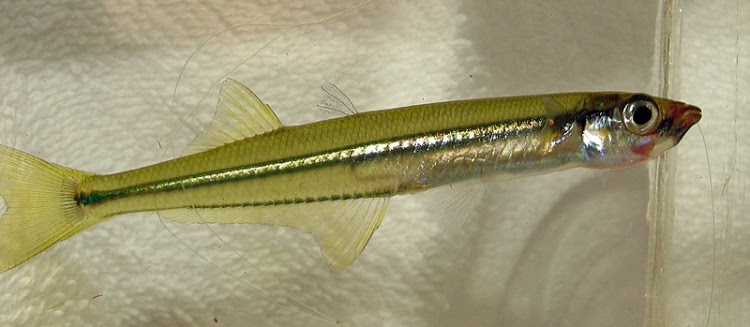
No. 10 Labidesthes sicculus

Labidesthes of the horn is a black light provável fish. You eat a lot by people of all kinds. If found in India and is delicious to eat. The most the people this fish Como.


Labidesthes Sicculus

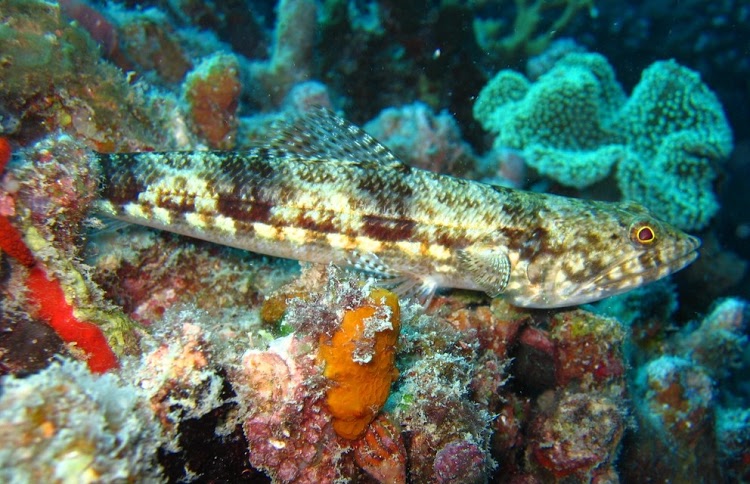
No. 11 variegated Lizardfish

Lizardfish're miss variegated fish. Lives in coral reefs. People rarely turns in the office, That Is remains in Alta frame is very popular. If responds to the demand of the people.


Variegated Lizardfish

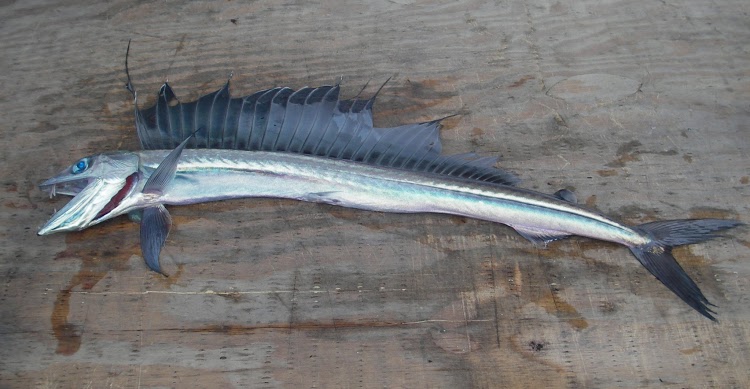
No. 12 Alepisaurus Ferox

The more fish under special has a large market Popularity seen inside the India of Alepisaurus ferox. It is delicious and nutritious food. It has a large number of peak in the back.

Alepisaurus Ferox

13 Deep Sea peixe

Deep sea fish is not fish live in the depths So the framework is called deep-sea fish. It is very popular in India. It has proteins, minerals and very delicious to eat.


Deep Sea Fish

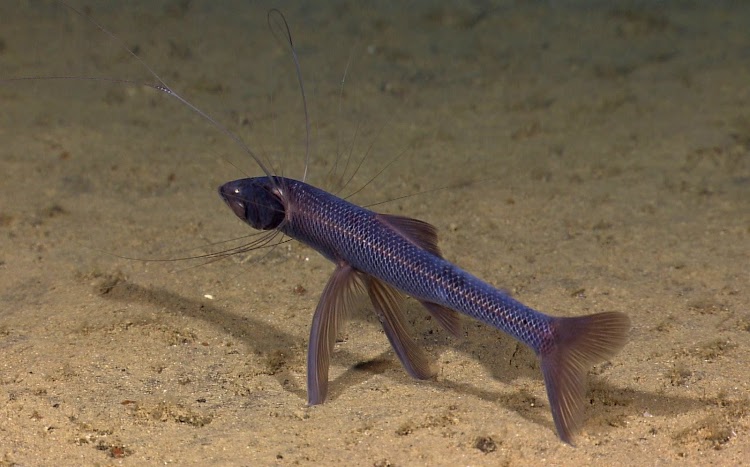
14 Tripé Peixe

Tripod fish is a very strange fish. It has three legs and what is called BY tripod fish. This is very popular in India fish. It proteins, calcium and other. It's delicious.


Tripod Fish

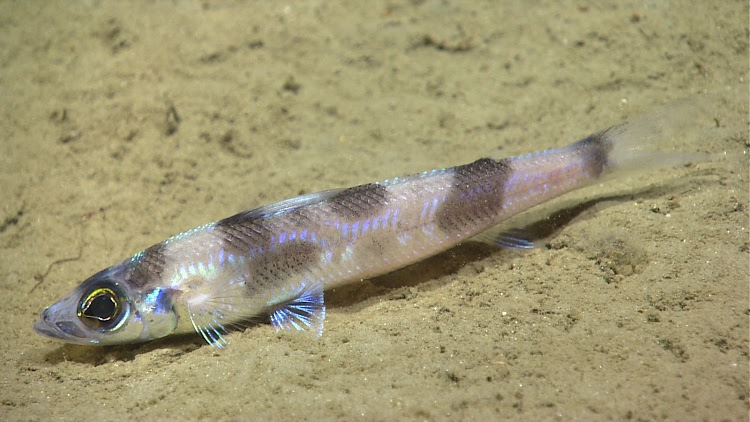
Mergulhador 15 Arena

Arena diver live in the sand at the bottom of the particular framework is nice and worm. It Has Nutrition, Proteins and other vitamin. If found in India. It's delicious.


Sand Diver

June 11, 2015

Massive Great White Shark High-Fives Diver [VIDEO]

Deep Blue
(Photo : Mauricio Hoyos Padilla | Facebook)

With flashbacks to Jaws in mind, it seems like an insane idea to leave the safety of a diving cage with a massive great white shark swimming just a few feet away. And yet that's exactly what one lucky diver did near Guadalupe Island in Mexico.

An incredible new video posted on Facebook shows biologist Mauricio Hoyos Padilla leaving his roofless cage to high-five a great white shark, believed to be one of the biggest ever caught on camera. Measuring at more than 20 feet long, the shark dwarfs the diver who managed to survive the close encounter, his hand still intact.

Padilla discovered the footage from a previous excursion in his computer this week. And since he posted it Tuesday, the video has received nearly three million views and has been shared more than 42,000 times.

The massive predator, aptly named Deep Blue, was first featured in August 2014 by the Discovery Channel in a documentary when researchers tagged the gigantic fish. At the time, the shark - which is believed to be over 50 years old - was heavily pregnant. And now, Deep Blue has made another appearance, during which she was luckily unfazed by the diver's presence as she swam around the cage.

In addition to her monstrous size, the shark is also recognizable by her many scars.

In the documentary, the narrator explains that large, vertical slashes on Deep Blue's left flank could be the result of fights with sharks or mating, according to the Daily Mail. The fish also has a large, gaping hole on her right trunk, and her dorsal fin and tail appear to be scraped and damaged.

Great whites (Carcharodon carcharias), the largest predatory fish on Earth, typically grow to 15 feet in length, with some, like Deep Blue, exceeding 20 feet long and weighing up to 5,000 pounds, according to National Geographic. The thriller Jaws gives great whites a bad rep, portraying them as mindless, meat-eating machines. But with more and more research scientists are starting to show them in a different light.

These animals seem to be merely curious, and now this latest case with Deep Blue suggests that the sharks are more laid back than previously thought, giving divers the occasional high-five.

For more great nature science stories and general news, please visit our sister site, Headlines and Global News (HNGN).

post from sitemap

June 10, 2015

Serengeti Snapshots Reveal Secret Life of Animals

lion and cub
(Photo : safaripanda10910/ Snapshot Serengeti)

Serengeti National Park, Tanzania, is one of the most diverse and well-studied ecosystems in the world, and yet there is still much more to learn about the behavior and lifestyle of the species that call it home. Now, thanks to crowdsourcing and the largest-ever scientific camera trapping survey, unique snapshots are revealing the secret life of Serengeti's most elusive animals.

Camera traps - that is, remote automatic cameras triggered by heat or motion - have revolutionized the way scientists conduct wildlife ecology and conservation research. However, while they are advantageous, snapping photos day and night produces a mind-boggling number of images, making it difficult to categorize and analyze all of them.

So after setting up 225 hidden cameras over a 1,000-square-kilometer expanse in the Serengeti, University of Minnesota doctoral student Alexandra Swanson had no idea what to do with the 1.2 million images she had amassed.

"This was the largest camera tracking survey conducted in science to date," Swanson said in a press release. "We wanted to study how predators and their prey co-existed across a dynamic landscape. We needed to answer different questions than camera traps had answered previously."

As part of the "Snapshot Serengeti" project, she teamed up with The Zooniverse, a citizen-science platform, which asked non-scientist volunteers to review Swanson's pictures.

With these photos, researchers can get a better idea of how different carnivores divide space and time in the Serengeti, as well as how animals interact within their ecosystems, according to the new study.

More than 28,000 volunteers responded, classifying images, identifying species, counting individuals and characterizing behaviors. Of the 1.2 million collected images, 322,653 contained animals, with 40 separate species identified, including rare animals such as the aardwolf, zorilla and honey badger.

There were more than 100,000 wildebeest sightings, for example, an animal famous for its annual migration across the park. Likewise, passing zebra triggered the cameras on more than 70,000 occasions.

(Photo : MGHouge/ Snapshot Serengti)

"Computer vision research is now on the cusp of being able to recognize animals in camera trap images, but when we started Snapshot Serengeti a few years ago, there was no automated way to identify the animals in our pictures," Swanson said. "We needed to rely on the human eye."

"Without volunteer help, the research wouldn't have been possible," she added.

Each photo was rated by at least 10 different users, according to Live Science. When experts later reviewed more than 4,000 of the photos, there was 96.6 accuracy for species identification and 90 percent accuracy for species count, the researchers said.

The project is the largest camera survey ever, and Swanson's team hopes that they get enough money to check on the cameras every six to eight weeks to continue their groundbreaking research.

Researchers especially need to study the Serengeti while they can, as a recent study showed that the national park is disappearing.

Threats such as climate change, population growth and land development are putting increased pressure on this valuable ecosystem, which supports a great diversity of fauna and birdlife, as well as special and rare plants.

At least, now scientists may be able to shed light on the secret life of the Serengeti before it's too late.

The findings were published in the journal Scientific Data.


For more great nature science stories and general news, please visit our sister site, Headlines and Global News (HNGN).

post from sitemap